All are welcome here!
Belmont Counseling provides free and confidential short-term mental health care and education for all Belmont students. We are here to listen when life gets complicated!
We take a personalized, flexible care approach that provides easy access to short-term mental health care. Our services are currently offered both virtually and in person.
Not sure where to start?
- Schedule an appointment on your Health Portal
- Walk-In Urgent Care Hours are Monday - Friday 9 am - 3 pm (Gabhart 218)
- Contact us directly by phone (615-460-6856) or email
Important Information
Eligibility
All enrolled Belmont students are eligible for services.
Scope of Care
We want to ensure you have the level of care you need. You may benefit from services that extend beyond the short-term model offered at Belmont Counseling Services. In these cases, a referral may be made after an initial meeting, or as these factors become more apparent during the course of working with one of us.
Some of the issues that are commonly addressed through referral to community providers include:
- Need, or request, to be seen more than once a week,
- Desire for uninterrupted long-term therapy,
- Complex and or chronic mental health conditions,
- Chronic suicidal and/or self-injury behaviors,
- Presence of significant drug and/or alcohol problems,
- Presence of significant eating disorders,
- Mandated therapy
Note that frequent use of urgent care services often indicates the need for a higher level of clinical care and/or assessment. Referrals to local providers and additional resources will be provided in this case.
Unsure if these situations apply to you? We are always happy to consult with you to determine the best plan of care.
Your privacy is of utmost concern to us! Many students worry that their parents, faculty, or staff will be notified about the services they receive. That is not the case.
Belmont University Counseling Services adheres to all applicable TN state and federal laws pertaining to client confidentiality. Our office maintains strict confidentiality for all students seen and will not release any clinical information without the student’s written consent. Written consent can be rescinded at any time at the student’s request.
Counseling records are kept separate from academic records in our encrypted electronic health record system.
Before starting any services at Counseling Services, you will have an opportunity to review our informed consent paperwork and discuss any concerns you have about the limits to confidentiality with a clinician.
Exceptions to Confidentiality
There are very few exceptions to our privacy policy. The only times that information may be released without your written consent is in the following situations:
A clinician has reason to believe that:
- you present an imminent danger to yourself,
- the life of a readily identifiable third person is imminently at risk,
- a child, under the age of 18, or a vulnerable adult is being subjected to abuse, neglect or exploitation,
- disclosure is made necessary by a court order as part of legal proceedings,
- if you are under the age of 18 and your parent/legal guardian requests access to your records.
Records Request
For more information about clinical records, please contact the office at 615-460-6856 or counseling@belmont.edu.
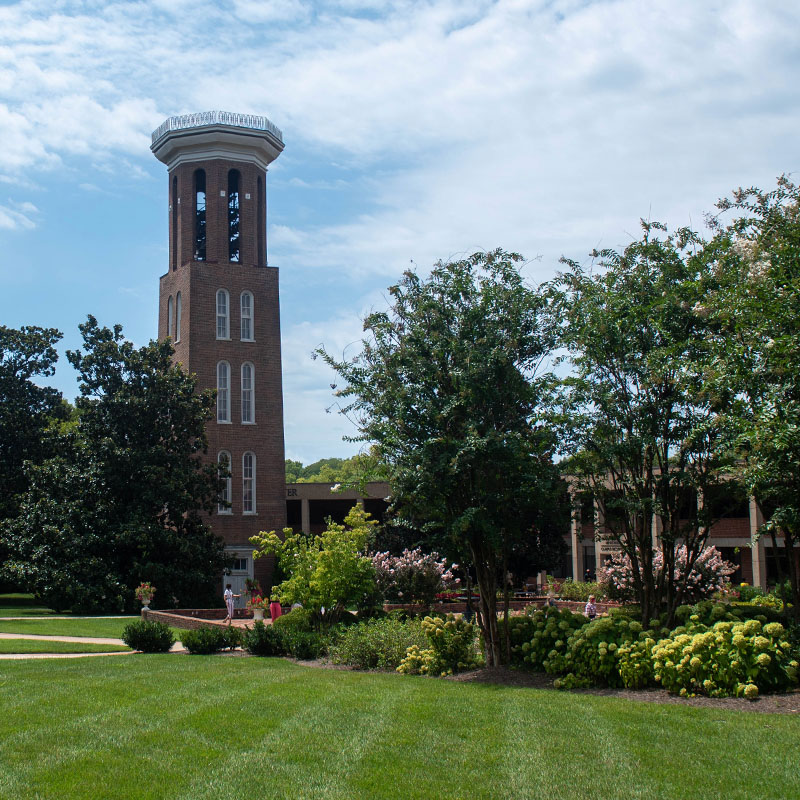
Office Location and Hours:
Location: Gabhart Student Center 218
Hours: Monday - Friday 8 am - 4:30 pm
Phone: 615-460-6856
Fax: 615-460-8034
Email: counseling@belmont.edu
Instagram: @belmontcounseling