
Become a Fellowship-Trained Manual Physical Therapist
Belmont University's 24-month OMPT Fellowship prepares board-certified or residency-trained physical therapists for the highest level of clinical practice. Graduates earn eligibility for FAAOMPT distinction and gain the advanced skills, clinical reasoning and leadership abilities that set them apart in contemporary healthcare.
OMPT Fellowship Cost and Return on Investment
Tuition: $15,000 (covers all coursework, lab intensives, research support and program fees)
Manual Therapy Fellowship Clinical Excellence Data
Clinical Excellence:
- Less than 1% of PT's are Fellows (Elite Subspecialty Training)
- 43% of OMPT Fellowship Graduates surveyed are Lead Instructors in Doctor of Physical Therapy Programs (Extending Their Sphere of Influence)
- 75% of OMPT Fellowship Graduates report involvement in research (Changing the PT landscape and extending sphere of influence)
- Research demonstrates that Fellows of OMPT report enhanced job satisfaction, clinical excellence and career growth
OMPT Fellowship Format: Flexible Online and On-Campus Training
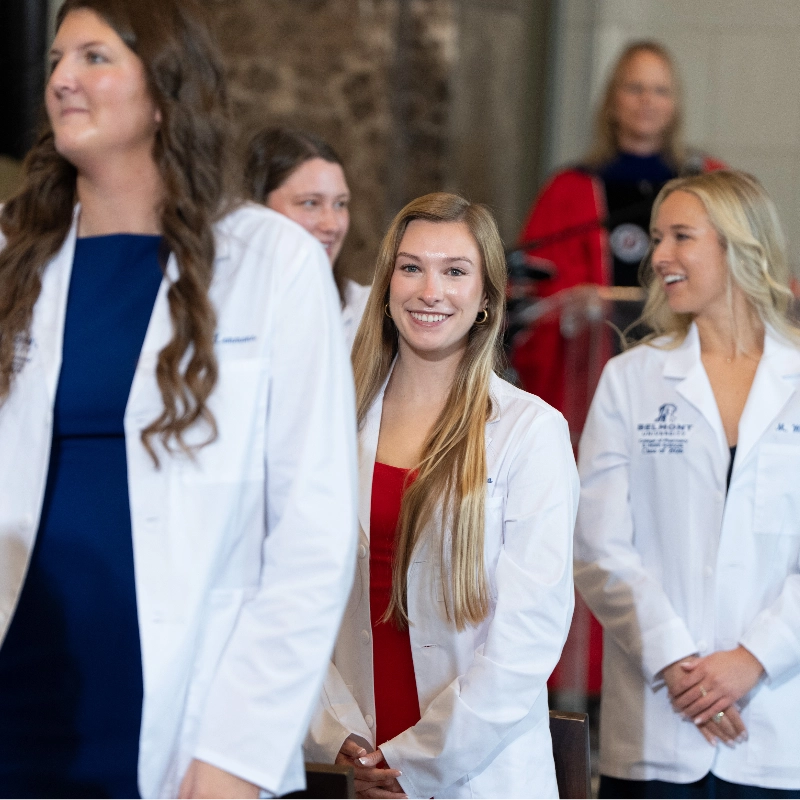
Train while you work. Our blended-format model combines online coursework with intensive hands-on learning, allowing you to maintain your clinical practice while advancing your expertise.
What to expect:
- Online didactic content and clinical reasoning coursework
- 2 required 3‑day on‑campus lab intensives each year, for a total of 4 lab intensives by the time you finish the 24-month program
- 150 hours of individualized mentorship (150 with FAAOMPT-credentialed mentors)
- Teaching opportunities with orthopaedic residents
- Capstone project and comprehensive examinations
Location: Nashville, Tennessee (on-campus intensives at Belmont University)
The curriculum develops expertise through four integrated components:
1. Clinical Practice & Mentorship
150 hours of individualized mentoring to refine your technique and clinical reasoning.
2. Advanced Coursework
Evidence-based manual therapy across all body regions, pain science, clinical reasoning and lifestyle medicine integration.
3. Teaching & Leadership
Develop instructional skills through teaching assistant roles with orthopaedic residents, presentations and lab instruction.
4. Capstone Experience
Demonstrate mastery through comprehensive examinations, live patient assessments and a scholarly project.
Why Choose Belmont's OMPT Fellowship? Outcomes, Credentials and Career Growth
Clinical Outcomes: 41% Better Patient Results
Our graduates achieve 41.2% better clinical outcomes than national averages across all body regions. When you train at Belmont, you gain skills that directly translate to superior patient care.
FAAOMPT Eligibility and Professional Recognition
Graduate with eligibility for FAAOMPT distinction and join an elite group of fellowship-trained manual therapists.Among our graduates:
OMPT Fellowship Course Descriptions and Learning Objectives
Explore the comprehensive coursework that builds your expertise across manual therapy, clinical reasoning, pain science and leadership.
This course exposes the fellow to the historical foundations, contemporary practice models and evolving future directions of orthopaedic manual physical therapy. Influential periods, leaders and movements that have shaped modern OMPT practice are examined. Professional organizations and associations that support manual therapy within physical therapy are reviewed, along with national and state-level scope of practice considerations.
In addition, this course provides a foundational introduction to lifestyle medicine principles and their relevance to musculoskeletal health, clinical reasoning and patient-centered care within an OMPT framework.
Objectives
- At the conclusion of this course, the fellow will be able to: Describe the history of manual physical therapy, including influential leaders and movements that shaped contemporary OMPT practice.
- Investigate scope of practice across representative states and identify areas of professional overlap, conflict and regulatory consideration.
- Discuss current threats and opportunities facing orthopaedic manual physical therapy within modern healthcare systems.
- Define the role and professional responsibilities of a fellow-in-training and a future fellowship-trained physical therapist.
- Describe foundational lifestyle medicine concepts and explain their relevance to musculoskeletal health, clinical reasoning and patient-centered OMPT practice.
This course explores the evidence related to examination, evaluation and intervention for cervicothoracic disorders within an OMPT clinical reasoning framework. Fellows engage in advanced clinical decision-making, manual therapy skill development and integration of regional interdependence principles.
In addition to their own learning, fellows assist lead faculty during on-site instructional activities for orthopaedic residents as part of the concurrent Instructional Methods course. Fellowship-specific requirements include written case discussions, video demonstrations of examination and intervention techniques, participation in weekend laboratory intensives, completion of technique examinations and delivery of a brief original instructional presentation.
Objectives
At the conclusion of this course, the fellow will be able to:
- Facilitate collaborative learning experiences that enhance understanding of cervicothoracic disorder management.
- Facilitate learning in on-site laboratory environments through instructional support, topic presentation and technique instruction.
- Describe medical screening procedures relevant to the cranial and cervicothoracic regions, distinguishing referral conditions from those appropriate for outpatient physical therapy management.
- Apply evidence-based principles to the diagnosis and management of cervicothoracic conditions.
- Critically appraise literature related to manual therapy, exercise and adjunct interventions for the cervicothoracic region.
- Identify patients most appropriate for cervicothoracic manual interventions while incorporating regional interdependence principles.
- Demonstrate hypothetico-deductive clinical reasoning integrated with patient response models.
- Demonstrate mastery of manual therapy interventions for the cervicothoracic region.
- Recognize lifestyle-related factors that may influence outcomes in cervicothoracic conditions.
This course builds upon Manual Therapy 1 with a focused emphasis on the development and refinement of advanced clinical reasoning skills. The Maitland concept, integrating all elements of diagnosis, assessment, selection and progression, is used to establish a consistent clinical reasoning framework across fellows.
Objectives
At the conclusion of this course, the fellow will be able to:
- Describe hypothesis-driven clinical reasoning models used in orthopaedic manual physical therapy.
- Compare and contrast multiple clinical reasoning frameworks, identifying strengths and limitations of each approach.
- Explain the rationale for pain diagram utilization in generating and refining clinical hypotheses.
- Critically self-assess interviewing, listening and clinical reasoning skills using video-recorded case presentations.
- Integrate the Maitland concept of examination, assessment, clinical reasoning and treatment progression into patient care.
- Incorporate relevant lifestyle-related contextual factors into hypothesis generation and clinical decision-making.
This course examines evidence related to examination, evaluation and intervention strategies for upper quarter disorders within an OMPT clinical reasoning framework. Fellows refine manual therapy skills, clinical reasoning and regional interdependence application.
Fellows support faculty-led instruction during on-site learning experiences, complete fellowship-specific coursework, participate in weekend lab intensives, complete technique examinations and deliver a brief instructional presentation as part of the Instructional Methods course.
Objectives
At the conclusion of this course, the fellow will be able to:
- Facilitate collaborative learning experiences that enhance understanding of upper extremity disorder management.
- Facilitate learning in on-site laboratory environments through instructional support, topic presentation and technique instruction.
- Describe medical screening procedures associated with upper extremity dysfunction, distinguishing referral conditions from those appropriate for outpatient physical therapy care.
- Apply evidence-based principles to the diagnosis and management of upper extremity conditions.
- Critically appraise literature related to manual therapy, exercise and adjunct interventions for the upper extremity.
- Identify patients appropriate for upper extremity manual interventions while incorporating cervicothoracic and regional interdependence principles.
- Demonstrate hypothetico-deductive reasoning integrated with patient response models.
- Demonstrate mastery of manual therapy interventions for the upper extremity.
- Identify lifestyle and behavioral factors that may influence tissue healing and response to intervention.
This course investigates contemporary pain science using an evidence-informed approach grounded in the biopsychosocial model. Fellows develop an advanced understanding of pain mechanisms, pain neuroscience education and graded motor imagery. This course complements the Manual Therapy series by informing clinical reasoning and guiding appropriate modification of manual therapy and patient management strategies.
Objectives
At the conclusion of this course, the fellow will be able to:
- Explain traditional and contemporary theories of pain mechanisms.
- Integrate a biopsychosocial framework into OMPT evaluation and management.
- Differentiate central, peripheral and neuropathic pain mechanisms in clinical practice.
- Select manual therapy interventions appropriate to identified pain mechanisms.
- Apply pain neuroscience education concepts within patient care.
- Evaluate the influence of lifestyle-related variables on pain processing and clinical outcomes.
This course focuses on evidence-based management of lumbopelvic disorders using an OMPT clinical reasoning framework. Fellows engage in advanced instructional support, complete fellowship-specific assignments, participate in weekend laboratory intensives and complete technique examinations.
Objectives
At the conclusion of this course, the fellow will be able to:
- Facilitate collaborative learning experiences related to lumbopelvic disorder management.
- Facilitate learning in on-site laboratory environments through instructional support and technique instruction.
- Describe medical screening procedures associated with the lumbopelvic region.
- Apply evidence-based principles to the diagnosis and management of lumbopelvic conditions.
- Critically appraise literature related to manual therapy and exercise for the lumbopelvic region.
- Identify appropriate candidates for lumbopelvic manual interventions using regional interdependence principles.
- Demonstrate hypothetico-deductive clinical reasoning integrated with patient response models.
- Demonstrate mastery of lumbopelvic manual therapy interventions.
- Recognize lifestyle-related factors influencing recovery and outcomes.
This course emphasizes examination, evaluation and intervention for lower extremity disorders within an OMPT framework. Fellows refine manual therapy techniques, clinical reasoning and regional interdependence application through advanced coursework and laboratory experiences.
Objectives
At the conclusion of this course, the fellow will be able to:
- Facilitate collaborative learning related to lower extremity disorder management.
- Facilitate learning in on-site laboratory environments.
- Describe medical screening procedures associated with lower extremity dysfunction.
- Apply evidence-based principles to lower extremity diagnosis and management.
- Critically appraise literature related to lower extremity interventions.
- Identify candidates for lower extremity manual therapy incorporating lumbopelvic principles.
- Demonstrate hypothetico-deductive reasoning integrated with patient response models.
- Demonstrate mastery of lower extremity manual therapy interventions.
- Identify lifestyle-related factors influencing recovery and long-term outcomes.
This course addresses leadership development within clinical practice, professional organizations and healthcare systems. Emphasis is placed on leadership theory, communication, ethics, diversity and professional responsibility in the evolving role of the autonomous physical therapist.
Objectives
At the conclusion of this course, the fellow will be able to:
- Apply foundational leadership theories in professional practice.
- Demonstrate self-awareness through articulation of leadership values and vision.
- Apply inclusive leadership principles across diverse contexts.
- Utilize effective communication and teamwork strategies.
- Demonstrate commitment to professional citizenship and social responsibility.
This capstone course reinforces advanced clinical reasoning using Maitland-based frameworks and modern pain science, concepts of lifestyle medicine and psychologically informed care. Fellows analyze and defend recorded live patient cases during weekly tutorials, preparing them for the performance expectations of fellowship-trained practice.
Objectives
At the conclusion of this course, the fellow will be able to:
- Demonstrate advanced clinical reasoning using video-recorded patient cases.
- Refine interviewing and examination strategies through structured feedback.
- Perform efficient hypothesis-driven musculoskeletal examinations.
- Select and apply appropriate interventions within comprehensive management strategies.
- Provide constructive feedback to peers.
- Utilize feedback to elevate clinical performance.
Instructional Methods
This course focuses on the development and facilitation of post-professional clinical education. Instructional skill development occurs longitudinally throughout the fellowship and includes synchronous and on-site educational experiences.
Objectives
At the conclusion of this course, the fellow will be able to:
- Analyze the impact of learning environments on instruction.
- Use educational technology to support effective teaching.
- Apply Bloom's taxonomy to instructional objective development.
- Facilitate synchronous educational sessions effectively.
- Facilitate on-site educational presentations and laboratory instruction.
Goals and Program Outcomes
Goal 1: To deliver a fellowship program aligned with the educational standards for Orthopaedic Manual Physical Therapy set forth by the International Federation of Orthopaedic Manipulative Physical Therapists and its United States member organization, the American Academy of Orthopaedic Manual Physical Therapists.
Goal 2: To sustain a high-quality, evidence-informed OMPT educational experience that supports advanced clinical reasoning and exceeds participant expectations.
Goal 3: To provide a consistent and intentional fellowship experience through the strategic use of innovative technology to enhance learning and engagement.
Goal 4: To prepare well-rounded clinicians and emerging leaders who integrate orthopaedic manual physical therapy with lifestyle medicine principles and psychologically informed care to support comprehensive, patient-centered practice.
Physical Therapy Fellowship Career Paths and Opportunities
Our graduates pursue diverse professional paths while maintaining clinical excellence:
- Academic faculty appointments
- Clinical leadership roles
- Private practice advancement
- Organizational leadership positions
Graduation rate: 91%
OMPT Fellowship Program Director and Faculty
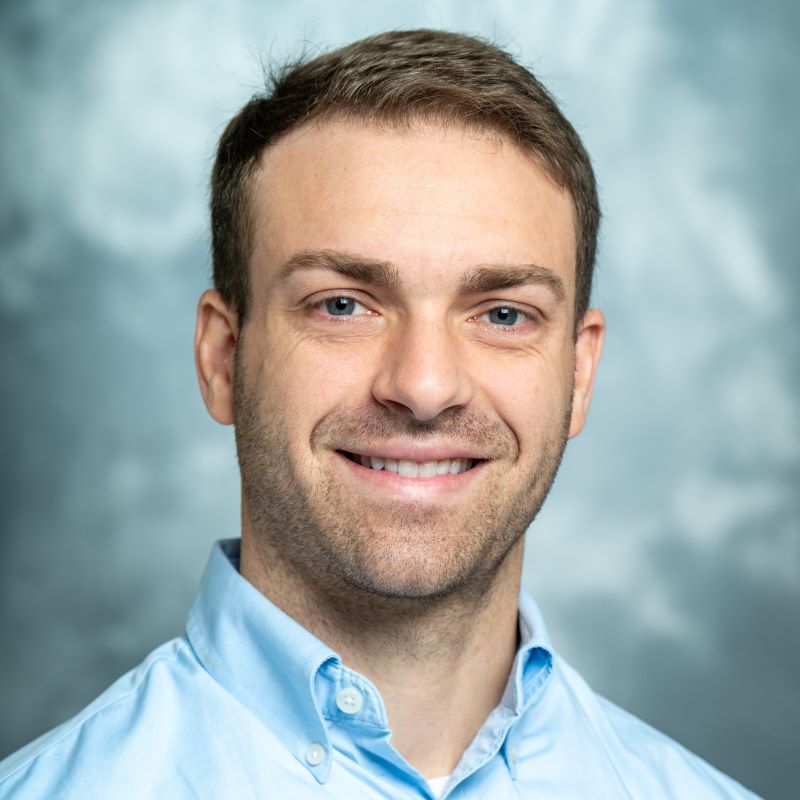
Ryan McConnell
Email: ryan.mcconnell@belmont.edu
Office Location: McWhorter Hall 345
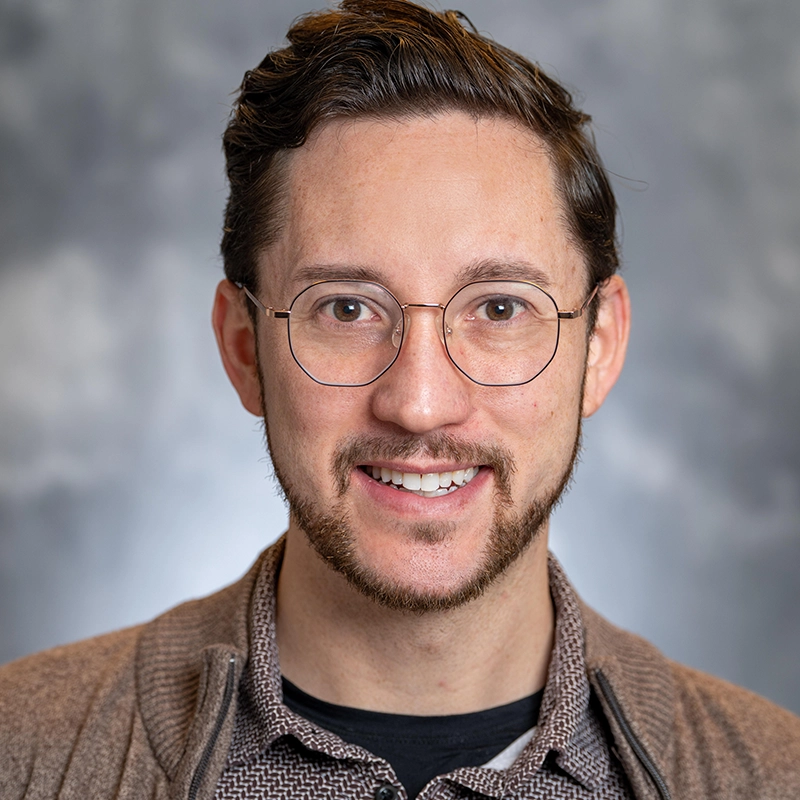
Bobby Russell
Email: bobby.russell@belmont.edu
Office Location: McWhorter Hall 350
Frequently Asked Questions About OMPT Fellowships
An Orthopaedic Manual Physical Therapy fellowship is a 24-month post-professional training program that prepares board-certified or residency-trained physical therapists for advanced clinical practice in manual therapy. Fellows gain expertise in hands-on treatment techniques, clinical reasoning and patient management while earning eligibility for FAAOMPT distinction.
Applicants must be licensed physical therapists who have completed either board certification in orthopaedics (OCS) or an accredited orthopaedic residency program. The fellowship is designed for clinicians ready to advance to the highest level of manual therapy practice.
FAAOMPT (Fellow of the American Academy of Orthopaedic Manual Physical Therapists) is the highest professional distinction in manual physical therapy. This credential demonstrates mastery of advanced clinical skills, evidence-based practice and clinical reasoning. Fellowship completion makes graduates eligible to apply for FAAOMPT status.
The blended format allows you to continue working while training. Expect to dedicate 8-12 hours weekly to online coursework, clinical practice application and mentorship activities. You'll also attend four 3-day on-campus intensive lab sessions annually, typically scheduled on long weekends.
Yes. The program is specifically designed for working clinicians. Online coursework offers flexibility, and the four annual on-campus intensives are scheduled to minimize time away from practice. Most fellows maintain full-time clinical positions throughout the program.
Tuition includes all didactic coursework, four on-campus lab intensives per year, 150 hours of individualized mentorship, research support, comprehensive examinations and program fees. This does not include travel and lodging for on-campus intensives.
You'll complete 150 total mentorship hours. At least 150 hours must be with FAAOMPT-credentialed mentors. Hours can be divided between your home clinic and your mentor's clinic, providing flexibility while ensuring high-quality guidance.
A residency is typically the first step in post-professional specialization, while a fellowship represents the highest level of clinical sub specialty training. Residencies focus on developing competency in a specialty area. Fellowships build on that foundation to develop mastery-level skills, advanced clinical reasoning and leadership capabilities.
Fellowship-trained physical therapists pursue diverse career paths including private practice advancement, academic faculty positions, clinical leadership roles, organizational leadership and specialty clinic development. Among Belmont graduates, 95% engage in teaching, 75% hold professional leadership positions and 60% participate in research or scholarly activities.
Yes. Belmont's OMPT Fellowship is accredited by the American Board of Physical Therapy Residency and Fellowship Education and the Alliance of Clinical and Organizational Musculoskeletal Physical Therapy Excellence. This accreditation ensures the program meets the highest educational standards.
The fellowship begins each January and takes 24 months to complete. The cohort model ensures you'll progress through the program with a small group of peers, fostering collaboration and professional relationships.
No. While the program is based in Nashville and on-campus intensives occur at Belmont University, the blended format allows you to live anywhere. Many fellows travel to Nashville four times per year for the required 3-day intensive lab sessions.
Contact Program Director Bobby Russell at bobby.russell@belmont.edu or call (615) 460-6748 to schedule a consultation about your fellowship goals and the application process.
Belmont integrates lifestyle medicine principles throughout the curriculum, offers individualized mentorship with FAAOMPT-credentialed faculty, maintains a small cohort size for personalized attention and demonstrates superior clinical outcomes. Our graduates consistently achieve better patient results and advance to leadership positions in the profession.
Contact Belmont OMPT Fellowship Admissions
Connect with our program directors to discuss your goals and the application process.
Program Details
January annually
Duration:
24 months
Format:
Blended (online coursework + four 3-day on-campus intensives)
Tuition:
$15,000
Contact Belmont OMPT Fellowship Admissions
Questions about the program? Connect with our program directors to discuss your goals and the application process.